
Every veterinary surgery promises to heal, protect, and give animals their best chance at recovery. Yet behind every successful operation lies sterile, well-maintained surgical equipment. A single lapse can jeopardize not only a patient’s life, but also the integrity and reputation of your practice. There’s simply no room for error. Whether you’re leading a busy surgical suite or starting in your first clinic, understanding and mastering these protocols is crucial. This comprehensive guide equips you with the proven, expert-backed methods trusted by top veterinary clinics, promising the sterilization and maintenance of your veterinary surgical equipment.
A Detailed Guide to Sterilization & Maintenance: All You Need to Know
Sterilization
Proper sterilization eliminates all microorganisms, including bacteria, viruses, fungi, and spores. Veterinary professionals must learn how to sterilise properly because it is essential for the safety of their patients and the success of their surgeries. There are two basic ways of sterilization: autoclaving and chemical sterilization.
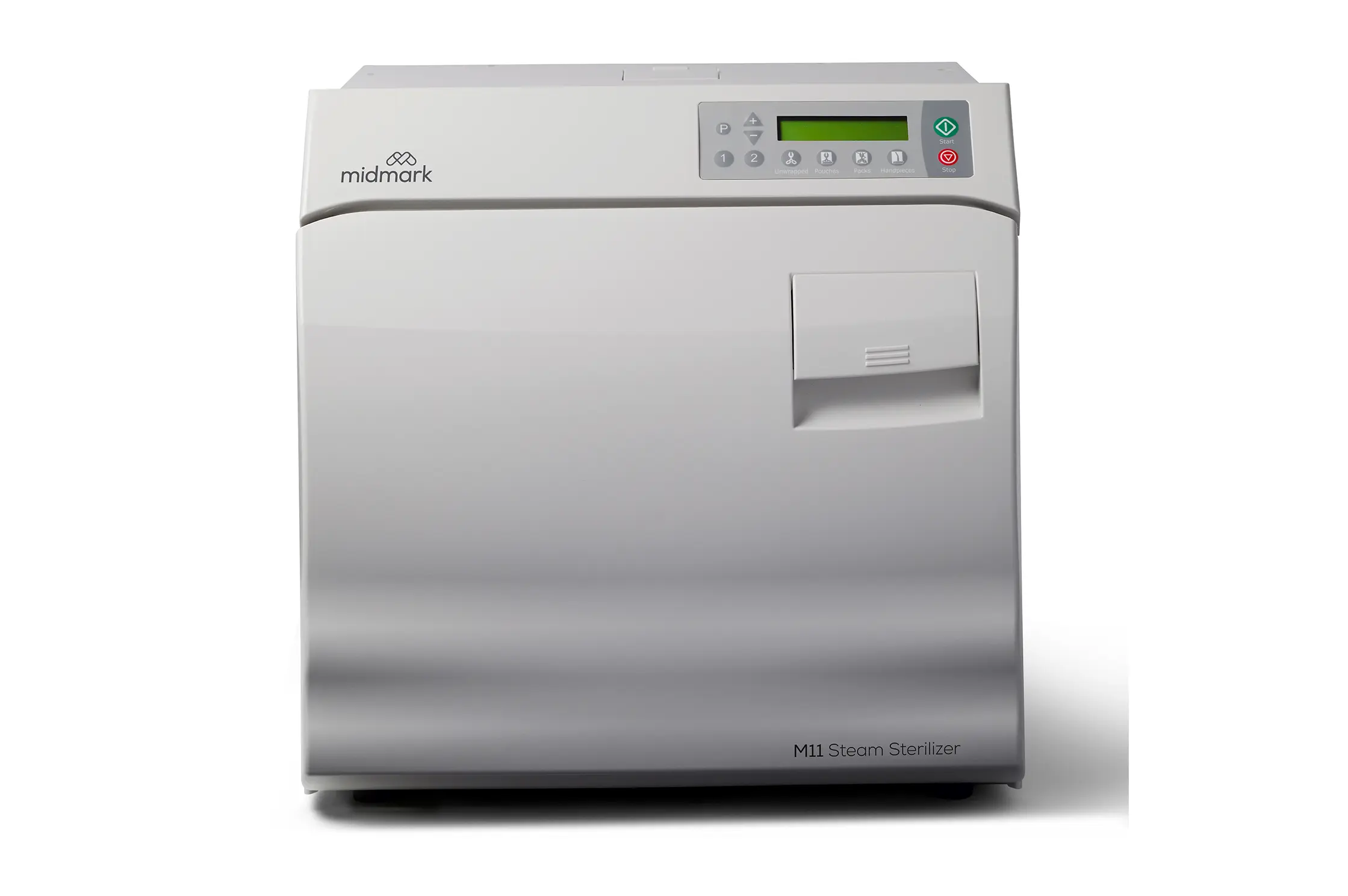
Autoclaving, or steam sterilisation
For most veterinary surgical tools, steam sterilization remains the most effective method of sterilization. This method utilizes pressurized, saturated steam at temperatures between 121°C and 132°C (250°F and 270°F) to kill germs.
Chemical Sterilization
Ethylene oxide or hydrogen peroxide plasma chemical sterilization is best suited for heat-sensitive items, such as fiber optic instruments, plastic products, and electronics. The process involves lower temperatures to eliminate microorganisms.
Sterilization Best Practices
The quality of instrument preparation has a significant influence on the effectiveness of sterilization. Here are some tips to follow:
- Clean instruments right away after use
- Clean by hand using a sponge and cleaner
- Check for damage, wear, or incomplete cleaning during an inspection
- Ensure the instruments are completely dry before packing them
It is equally essential to load the instruments in the autoclave properly:
- Place the packages in a way that allows steam to flow freely
- Don’t overload the chambers
- Sort different types of materials (metals, plastics, textiles)
Maintenance
Taking proper care of your instruments will not only prolong their lifespan but also ensure proper function and protect your investment. A planned maintenance schedule prevents unexpected breakdowns during critical tasks.
Daily Maintenance Tasks
- Clean after surgery
- Don’t let blood, tissue, or saline dry on tools
- Use the right brushes to scrub, paying special attention to joints and crevices
- Rinse well with distilled water
- Dry before putting in storage
For optimal storage
- Keep in dry, clean, and enclosed cabinets
- Keep an eye on the humidity and temperature level
- Apply the rotational principles of first-in, first-out
- Minimise package handling to avoid contamination
- To prevent damage, group similar instruments together and use drawer organisers or foam inserts
- Clearly mark storage areas
- Maintain accurate inventory records to track and replenish stock as needed
Looking for High-Quality Veterinary Equipment that Lasts Long? Intriquip Has You Covered
Your dedication to proper sterilization and maintenance has a direct impact on the outcome of every patient, laying the groundwork for successful procedures and a strong reputation. The protocols outlined in this guide represent the best practices in the industry, informed by decades of research and field experience. Keep in mind that sterilization and maintenance are not tasks you do once and forget; they are ongoing commitments to excellence. Your practice will consistently meet the highest standards if you train your staff regularly, maintain accurate records, and continually seek opportunities for improvement. Begin using these methods immediately and incorporate them into your regular surgical routine.
At Intriquip, we provide veterinarians with the reliability and quality they need for surgical precision. With years of experience in the industry, we have proudly become the top choice for thousands of veterinary clinics nationwide. Our complete inventory comprises high-quality surgical tools crafted from the finest materials and manufactured to the highest standards. Before they get to your practice, every product goes through strict quality control tests. Contact our team today to discuss your specific needs and discover how our high-quality tools can enhance your surgical skills, providing a significant return on your investment.
Frequently Asked Questions
How long do sterilized tools stay clean?
The duration for which something remains sterile depends on the materials used for packaging it, its storage conditions, and the frequency of handling. Instruments that are appropriately packaged and stored under the right conditions can remain sterile for six months to a year. However, expiration based on the event is more critical than expiration based on time. If the packaging becomes wet, torn, or is handled excessively, sterility is compromised, regardless of the storage duration.
How do I maintain the sterility of my sterilized surgical tools when storing them?
You should keep sterilized tools in a clean, dry, and closed cabinet or drawer that is only for sterile items. To prevent packages from tearing and getting dirty, handle them as little as possible, maintain low humidity, and limit the number of people entering at once. Use a first-in, first-out system to rotate stock, and check the packaging for damage regularly.
What kinds of regular maintenance can help surgical tools last longer?
To make instruments last longer, clean them immediately after use, dry them thoroughly, inspect them regularly for wear and tear, use medical-grade lubricants on moving parts, and have cutting tools professionally sharpened. Place instruments in protective trays or organizers to prevent them from touching each other, bending, or rusting.